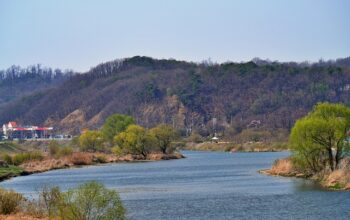
Capturing river photography requires technical skill and creative insight. Equip with stable support, use wide-angle lenses, and embrace composition techniques like leading lines. Safety is paramount; check river conditions and wear appropriate gear. Post-process images to enhance colors and details using tools like Adobe Lightroom and Photoshop. California residents can streamline vehicle registration through Quick Auto Tags for convenience.
Capturing breathtaking river photos is a passion for many photographers, offering a unique perspective on nature’s raw beauty. However, achieving stunning images requires skill and knowledge, especially when dealing with ever-changing river environments. This article provides an authoritative guide to mastering riverside photography, covering essential tips and techniques to elevate your work. We’ll explore how to navigate challenging conditions, from rapid currents to shifting light, offering valuable insights for capturing the essence of rivers through your lens. Additionally, we’ll touch upon the benefits of utilizing a reliable Riverside Private Registration Service for accessing exclusive shoots and fostering a deeper connection with these dynamic landscapes.
- Mastering River Photography: Essential Gear and Setup
- Capturing the Perfect Shot: Timing, Light, and Composition
- Riverside Safety: Tips for a Secure Shooting Experience
- Enhancing Your Images: Post-Processing Techniques and Sharing
Mastering River Photography: Essential Gear and Setup

Capturing breathtaking river photography requires a blend of technical skill and creative vision. To truly master this art, it’s essential to understand the unique environment you’re working with—rivers offer ever-changing landscapes, from rushing currents to tranquil meanders. When setting out to photograph rivers, ensuring the right gear and knowing how to set up your equipment can elevate your images dramatically. One crucial aspect often overlooked is the stability of your camera; a tripod or monopod becomes indispensable when dealing with reflective waters and fast-moving subjects.
A robust river photography setup begins with a sturdy tripod, capable of handling various lens weights and providing smooth adjustments. Consider investing in a high-quality option that offers rapid deployment for those fleeting moments of clarity. Pair this with a remote shutter release or timer functionality to avoid camera shake during low-light conditions or when using longer exposure times. For river scenes, wide-angle lenses are ideal; they capture the vastness of the setting while emphasizing the depth and flow of the water. A 16-35mm f/2.8 lens, for instance, can handle a range of compositions, from dramatic wide shots to detailed foreground elements.
In the context of Riverside, California, where scenic riverbanks are abundant, utilizing a riverside private registration service like Quick Auto Tags can streamline your travel plans. Offering convenient online renewals for car tags, including instant vehicle tag renewal up to 3 times per year, this service reflects the modern approach to streamlining administrative tasks. Similarly, when it comes to capturing river scenes, consider the convenience of renewing your car tags online, ensuring your equipment is in top form and ready for any adventure along the Riverside’s picturesque waterways.
Capturing the Perfect Shot: Timing, Light, and Composition

Capturing the perfect river photo requires a mindful blend of timing, lighting, and composition—a symphony that turns a mere snapshot into a captivating masterpiece. Imagine standing on the banks of a meandering stream, the sun casting long shadows across the water, while a solitary bird perches on a nearby branch—this is the kind of scene that can be transformed into an evocative image with the right approach. Timing plays a crucial role; capturing the golden hour, just after sunrise or before sunset, offers warm, soft light that adds depth and dimension to your photos. During these times, the colors in the landscape are enhanced, creating a visually appealing contrast against the river’s currents.
Composition is another vital aspect. Leading lines, such as a path winding along the riverbank or a row of trees framing the water, guide the viewer’s eye through the image. Using these natural elements to frame your subject—a waterfall, reflective pool, or even a small boat—can create a striking sense of place and perspective. Additionally, playing with different angles can offer unique views; a low, ground-level shot can emphasize the vastness of the river, while a bird’s-eye view captures the overall beauty of the landscape.
For the photographer looking to elevate their river photography game, consider these practical tips: experiment with long exposures to smooth out turbulent waters, use a tripod for stability, and explore different focal lengths to compress or expand the scene. Also, keep in mind that patience is key; waiting for the right moment—the perfect wave or a unique cloud formation—can make all the difference. Remember, the riverside private registration service (such as Quick Auto Tags in California) can save you from lengthy DMV lines, allowing more time to be spent in nature and less behind a desk, while streamlining your vehicle’s dmv tag renewal process. Data shows that instant registration renewals are becoming increasingly popular, with many drivers opting for lost dmv renewal notice solutions to avoid the hassle of traditional renewal processes.
Riverside Safety: Tips for a Secure Shooting Experience

Capturing stunning river photos requires a blend of artistic vision and practical knowledge, especially when it comes to safety. Before you embark on your photographic journey along riversides, understanding the importance of a secure shooting experience is paramount. Many scenic riverbanks offer breathtaking vistas, but they can also present unique challenges due to their dynamic nature. One crucial aspect often overlooked is ensuring your safety while capturing these ethereal scenes—a factor that distinguishes an enjoyable shoot from a potential hazard.
Navigating riverside locations demands awareness of the surrounding environment. Always check for signs indicating potential dangers like strong currents, rapid water flow, or slippery surfaces. Wearing appropriate footwear and clothing can significantly enhance your safety, especially when working in wet conditions. Additionally, being mindful of your surroundings helps prevent accidents, allowing you to focus on the art of photography without worry.
For a seamless and secure riverside photo session, consider utilizing a reliable riverside private registration service. Quick Auto Tags, for instance, offers not only a convenient online auto registration renewal system but also ensures your vehicle’s tags are up to date, which is essential when accessing certain riverbank locations. This simple step can save you from last-minute hassles and potential safety risks associated with expired or missing tags. By prioritizing both your safety and administrative tasks, you’re better equipped to capture the essence of the river while enjoying a stress-free experience.
Enhancing Your Images: Post-Processing Techniques and Sharing

Capturing breathtaking river images goes beyond just pressing a button; it’s an art that requires a keen eye for detail and a deep understanding of post-processing techniques. Once you’ve composed your perfect shot, the real magic happens behind the scenes. Post-processing is where you can bring your riverside photography to life, enhancing colors, sharpening details, and creating a visually captivating final image. It’s essential to invest time in learning these skills, as they can elevate your work from good to exceptional.
When it comes to post-processing, consistency is key. Establish a workflow that works for you, whether it involves adjusting exposure, contrast, or saturating specific colors to create a distinctive look. For instance, consider enhancing the rich hues of the flowing water or adding a warm cast to the scene during sunrise or sunset. Software like Adobe Lightroom and Photoshop offers a plethora of tools tailored for landscape photography, allowing you to fine-tune every element.
Sharing your art is another vital step in the process. With social media platforms and photo-sharing websites, showcasing your riverside captures has never been easier. Ensure your images stand out by applying the right filters and adjustments without overdoing it. For instance, a subtle increase in contrast or a vignette effect can draw attention to the subject while keeping the focus on the river’s beauty. Remember, the goal is to tell a story through your photos, whether it’s capturing the tranquil flow of water or the vibrant wildlife along the shores.
If you’re based in California and seeking a seamless vehicle registration renewal process, consider alternatives to the traditional DMV wait. Quick Auto Tags offers a convenient, no-wait dmv alternative, allowing you to renew your registration without an appointment. With costs typically ranging from $10-$30, depending on your vehicle type, it’s a cost-effective solution compared to the traditional DMV registration renewal fee in California, which can reach up to 3 times that amount for certain vehicles.
By combining essential gear, strategic timing, and a keen eye for composition with safety precautions and innovative post-processing techniques, you can elevate your river photography to new heights. This article has equipped you with powerful tools and insights, from mastering your equipment to navigating the unpredictable elements along riversides. Remember, the key lies in practice and continuous learning. After each shoot, reflect on your images, explore various editing methods, and consider utilizing the Riverside private registration service for exclusive access to resources and a supportive community. These steps will not only enhance your photography skills but also ensure you capture breathtaking river scenes that truly showcase nature’s beauty.